The 5 habits worth building
 1
Move most days
Brisk walks count. Ask your doctor what suits you.
 2
Protect your sleep
Steady, adequate sleep supports attention and memory.
 3
Stay connected
Conversation, classes and hobbies keep the mind engaged.
 4
Check the basics
Blood pressure, hearing and vision checkups matter later in life.
 5
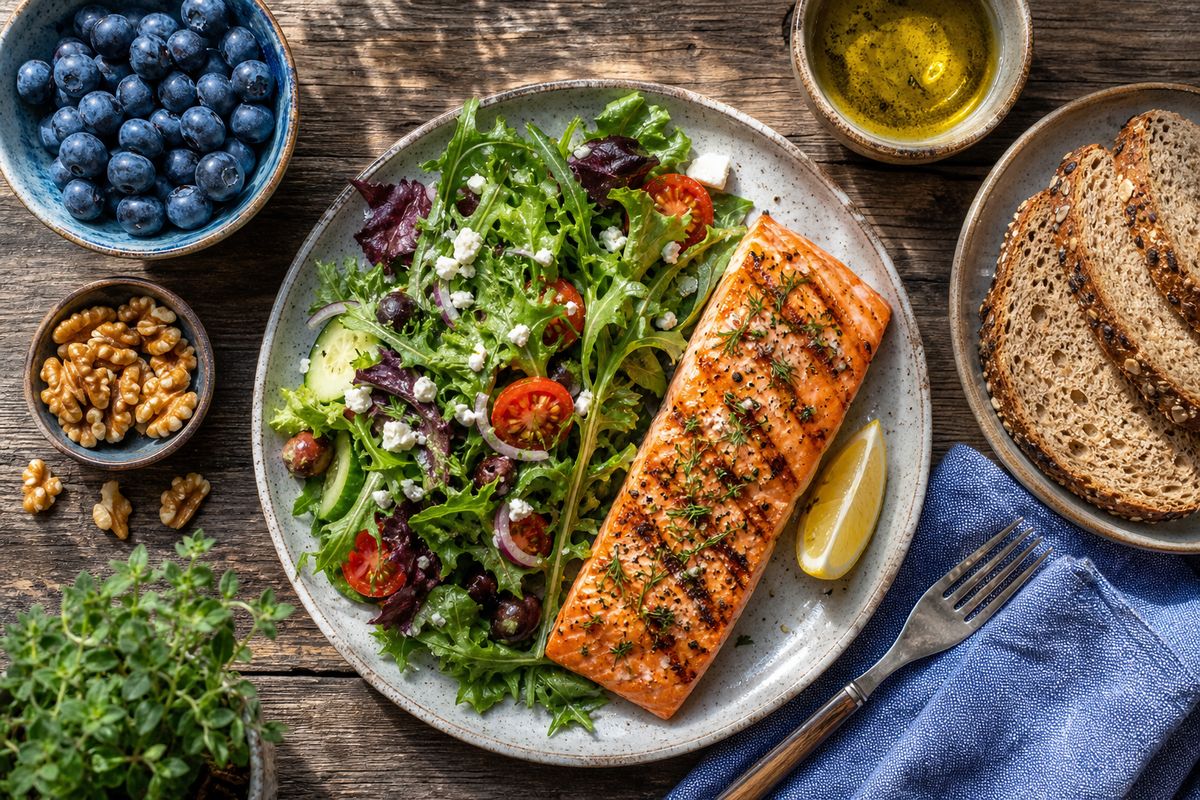
Eat brain-friendly
Mediterranean- and MIND-style eating: vegetables, berries, nuts, olive oil, fish, whole grains.
Most of this research shows associations, not proof of cause and effect. The evidence for supplements is weaker than for the habits above.
Check these 5 things before you buy

Your pre-purchase checklist
- The full ingredient list and the amount per serving
- The total price, including shipping and any auto-renewal
- The refund policy and how to claim it
- Who makes it and how to contact them
- What the label does and does not claim, and a talk with your doctor if you take medication
Phytomem One
A dietary supplement sold by its manufacturer through ClickBank. I haven't verified the manufacturer's claims and make none here.
Affiliate link: I may earn a commission at no extra cost to you.
View the official pageThese statements have not been evaluated by the Food and Drug Administration. This product is not intended to diagnose, treat, cure, or prevent any disease.
Sources to read yourself
- National Institute on Aging: Cognitive Health and Older Adults. Covers activity, sleep, staying connected, blood pressure, and hearing and vision.
- Livingston et al., Lancet Commission on dementia prevention, intervention and care (2024). Lists 14 modifiable risk factors, including physical inactivity, social isolation, high blood pressure, hearing loss and vision loss.
- Harvard T.H. Chan School of Public Health: The MIND diet. Observational studies link it to slower cognitive decline; a 2023 randomized trial did not show a significant extra benefit.
- AARP Global Council on Brain Health: Supplements. Its review found insufficient evidence to endorse brain-health supplements.